All essays

Find the little solutions
Sometimes the best thing you can do is find the smallest pain point for yourself or your team, and fix it. We spend a lot of time trying to solve big problems, but getting a quick win that actually makes people's lives better can often be the most impactful use of your time. Think about your day to day life. What's something you do regularly that would be great if it worked just a little bit better?

Time Is Your Most Valuable Resource
I'm sure you've heard the phrase "time is money" as a way to say that we should work hard and avoid laziness, but time is actually the most valuable resource we have. You can exchange your time for money by working right up until the end of your life, but you can't magically get more time. What you can do is learn to optimize your resources to save yourself time where it counts, and use that time in the best way for you.

Thinking With Git
Have you ever wished for better digital organization? Or made a change to something you were working on then regretted it, and wished there was an easy way to go back in time? You can take advantage of version control systems originally designed for building software to keep track of writing, art, or anything you create on your computer. You've probably heard of GitHub, at least as a company. If you're not involved in writing code every day, you may have assumed it's just for software engineers and big corporate projects, but it can be used for anything.
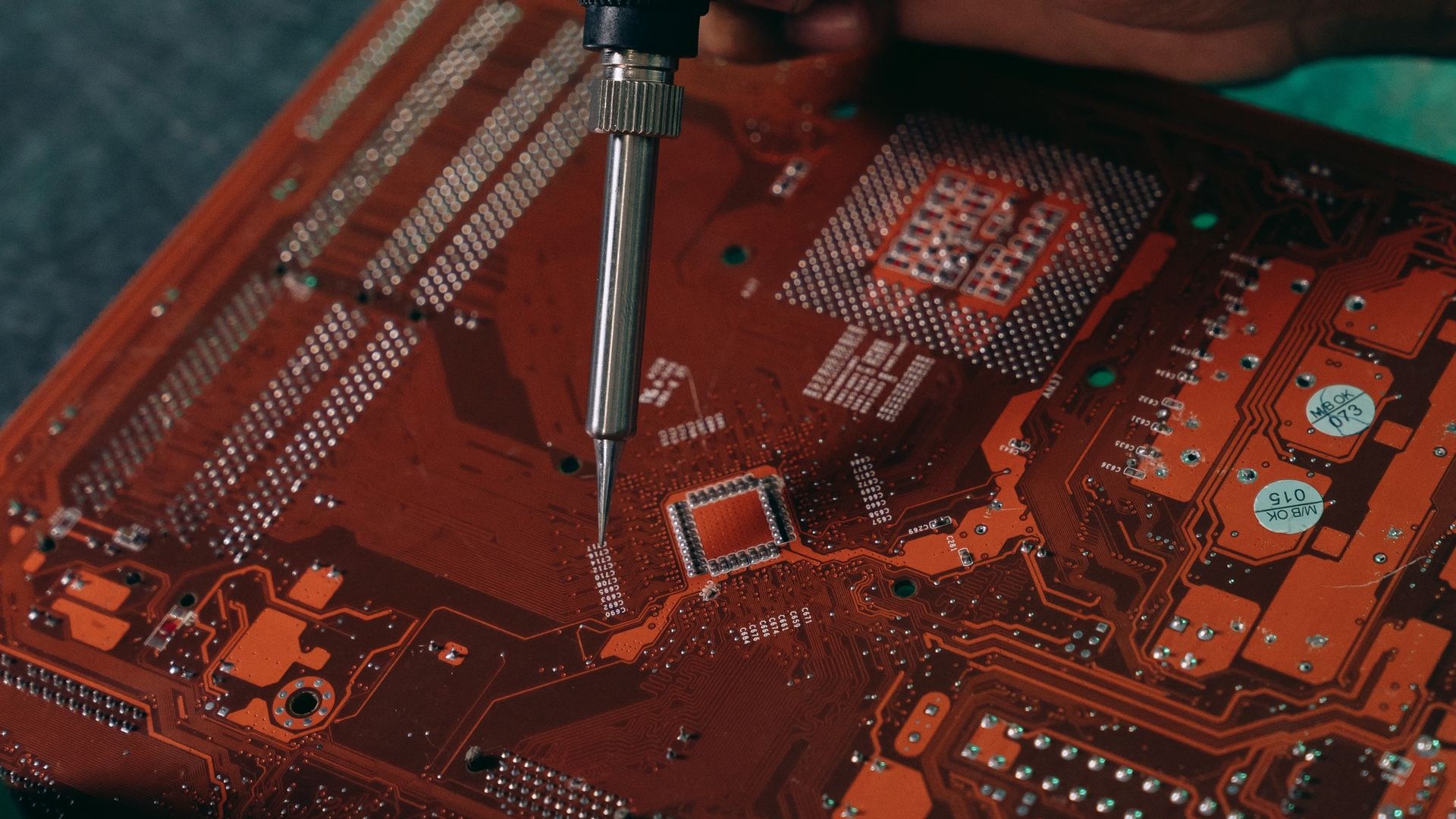
You Need to Own Your Technology
Do you actually own the music you listen to? Movies you've purchased? The phone you use? The car you drive? The answer to all of these is increasingly becoming no, you only rent them. As tech companies push everything from movies to cars into a rental model instead of acknowledging that things we buy belong to us, we risk becoming serfs to technology. This has huge repercussions for us as individuals, but also creates an extreme risk for businesses that no longer have control over the tools they depend on.

How to Unsuccessfully Run a Project
Have you ever felt like the project you're working on is going too smoothly, things are delivering too early, or everyone is getting along too well? Maybe you've felt like your recent meetings are so productive you barely have time to stare off blankly into space anymore. Or maybe you're worried that you'll finish your current project so far ahead of time you'll have to spend some cycles working on infrastructure improvements before the next project kicks off. These tips will make sure communication is at a standstill, work can't get completed, and no one is happy.

Running an Engineering Team Is About People
Leading a successful engineering project requires deep technical knowledge, but more than that, it requires working well with people. Teams are made up of people. You have to know how to keep people working together smoothly, and position team members so they can do their best work. Even if every engineer is replaced by AI(spoiler alert: they won't be) the users of the software we build are still other humans, and we have to understand their needs.

Build Your Own Tools
One of my biggest frustrations has always been how hard it is to find software tools that do exactly what I want. Sometimes a use case is too specific for an off-the-shelf product. When you do find a good product, it often gets updated to remove good features or add bloat. There are UI/UX issues or workflow problems that make things frustrating to use. And I've started approximately 1024 projects to build myself something useful, and completed maybe two of them. But we've hit the point where an AI with strong human guidance can create the tools you need surprisingly quickly.

You don't need AI, you need a person who knows AI
Every company is making a huge shift to add AI to their processes right now, whether or not it's actually the right tool for the task. Almost no one is able to accurately evaluate what benefit AI is having on their work. Most companies are seeing huge spend with no ROI, and overall the answer to "is AI profitable yet?" is a resounding no. But engineers who know what they're doing are seeing huge improvements in their workflow using AI.

Television Tuned to a Dead Channel
Gibson's Neuromancer is the book that really launched Cyberpunk as a genre (sorry, Bruce Sterling) and set a lot of the modern ideas of the internet, including usage of the term cyberspace. Interestingly, Gibson wasn't way ahead of his time in terms of actual technology usage, he wrote the book on a typewriter.

Write a blog, they said
Write a blog, they said. It'll be fun, they said. With over 15 years of experience in building, launching, and running web applications, I might have a few things to say.